
Alleppey history in short
Alleppey and Alappuzha are two names for the same town. The government renamed Alleppey as Alappuzha by order of 7 February 1990, and both names are still in daily use. The history of the town is tied to water: a port, a network of canals and a trade in coir, the fibre of the coconut husk.
The present town is linked with Diwan Raja Kesavadas in the second half of the 18th century. The port and the canals belong to that development. Today you can read this past at the lighthouse and in the boats that still use the water. To see it from the water, try an Alleppey boat tour.
Alleppey timeline
Key dates in the story of the town.
Second half of the 18th century
Diwan Raja Kesavadas is linked with the founding of today's town. Port and canals shape its growth.
1772 or early 20th century
The start of the port is dated to 1772 or to the early 20th century. Quote the year with care.
1859
James Darragh is credited with the first coir mat factory, and the trade in coir products becomes central to the town.
28 March 1862
The Alappuzha lighthouse is commissioned.
1989
No port operations at the pier from this year on. The 387 m pier is now dilapidated.
7 February 1990
Alleppey becomes Alappuzha by government order.
Our pick: a guided walk
A local guide shows you the town on foot.
Hand-picked tours, booked through GetYourGuide. Prices are indicative starting prices in US dollars (as of October 2026). Tap a tour for live availability and the current price in your currency.
Alleppey tours through the old canal port
Boat tours, houseboat cruises and village trips around Alleppey, with live prices and availability for your travel dates.
Coir and the port trade
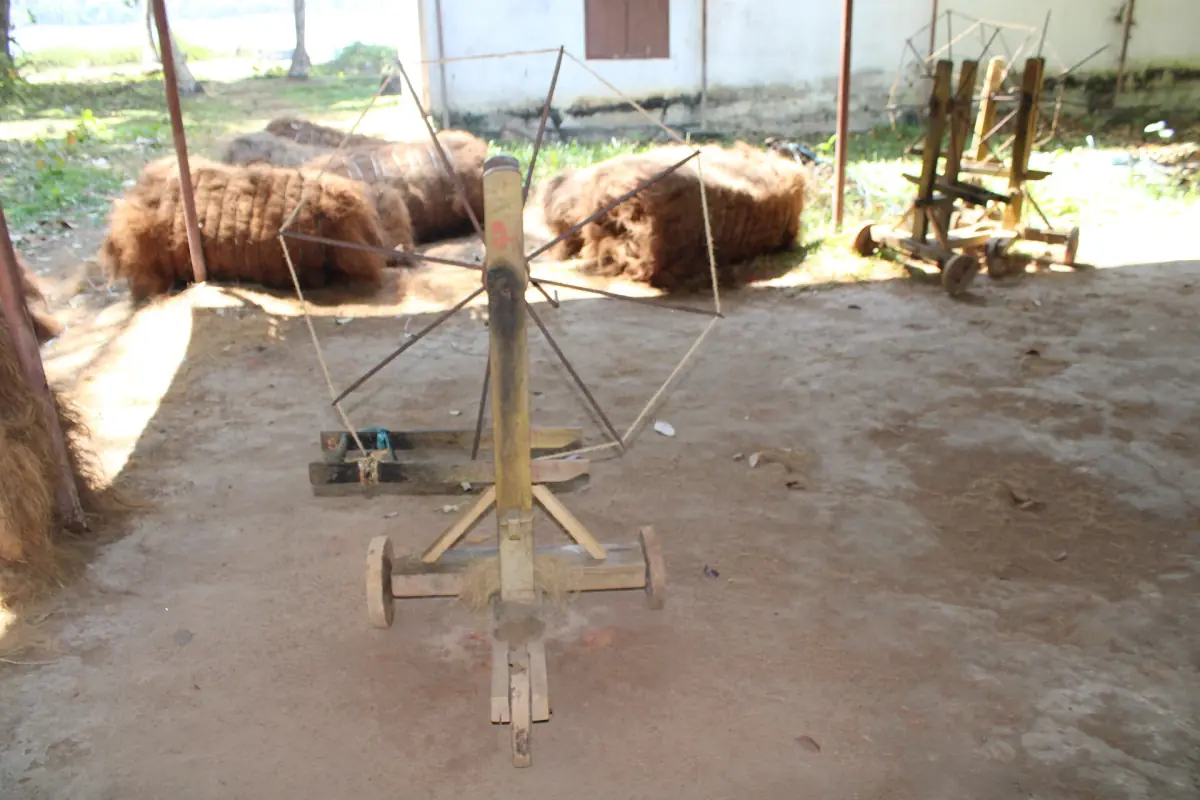
Coir is the fibre from coconut husks, and it shaped Alleppey. James Darragh is credited with the first coir mat factory, in 1859. From then on the trade in coir products shaped the town and its port.
The port handled coconuts, coir products, pepper, coffee, tea and timber. Port operations ended in 1989, and the 387 m pier is dilapidated. For visitors it is a historic landmark on the beach, so do not count on walking out on it. You can see the coast and its history on the Alleppey Beach page.
The Venice of the East
Alleppey is known as the "Venice of the East". By tradition the phrase goes back to Lord Curzon, who is said to have visited in the early 20th century. The nickname fits the canals and the boats.
Kettuvallam boats and the backwaters
Today's houseboats grew from the kettuvallam, a traditional cargo boat that carried rice and spices. A wooden hull, coir ropes and a covered cabin belong to the traditional design. Not every modern houseboat is a converted original, so ask your operator how the boat was built.
The land around the backwaters has its own story. Kuttanad, with its drained brackish delta marshes, rice fields, fishing and gardens, was recognised as a Globally Important Agricultural Heritage System in 2013. The paddy fields are about 2.2 m below sea level. See the Kerala backwaters page.
Historic places to visit today
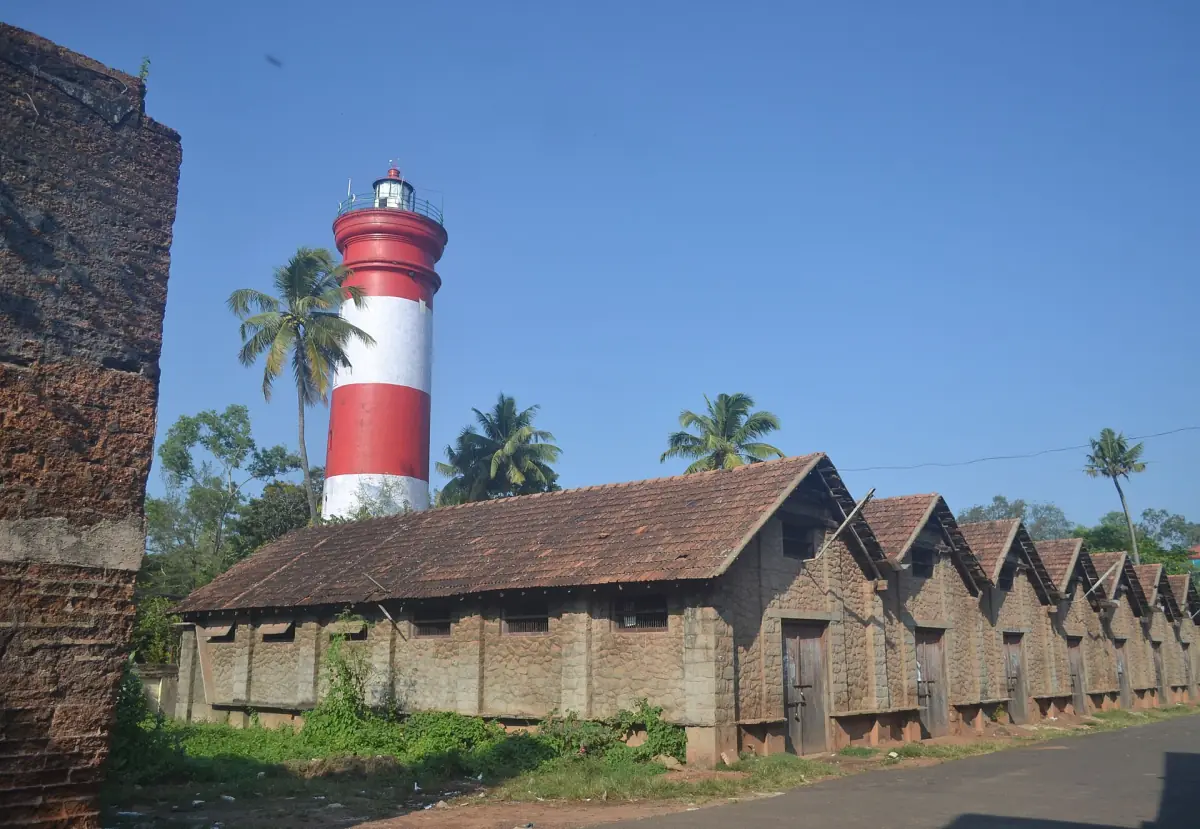
The lighthouse, opened on 28 March 1862, is open to visitors from 10:00–12:30 and 14:00–17:00 and closed on Mondays. Tickets in 2026 cost INR 10 for Indian citizens and INR 25 for foreign citizens plus 18 percent GST, and the online ticket portal sells tickets for the same day only. Show your ticket at the entrance. The lighthouse lies within about 2 km of the railway station.
Browse more places on our page for places to visit in Alleppey.
Krishnapuram Palace
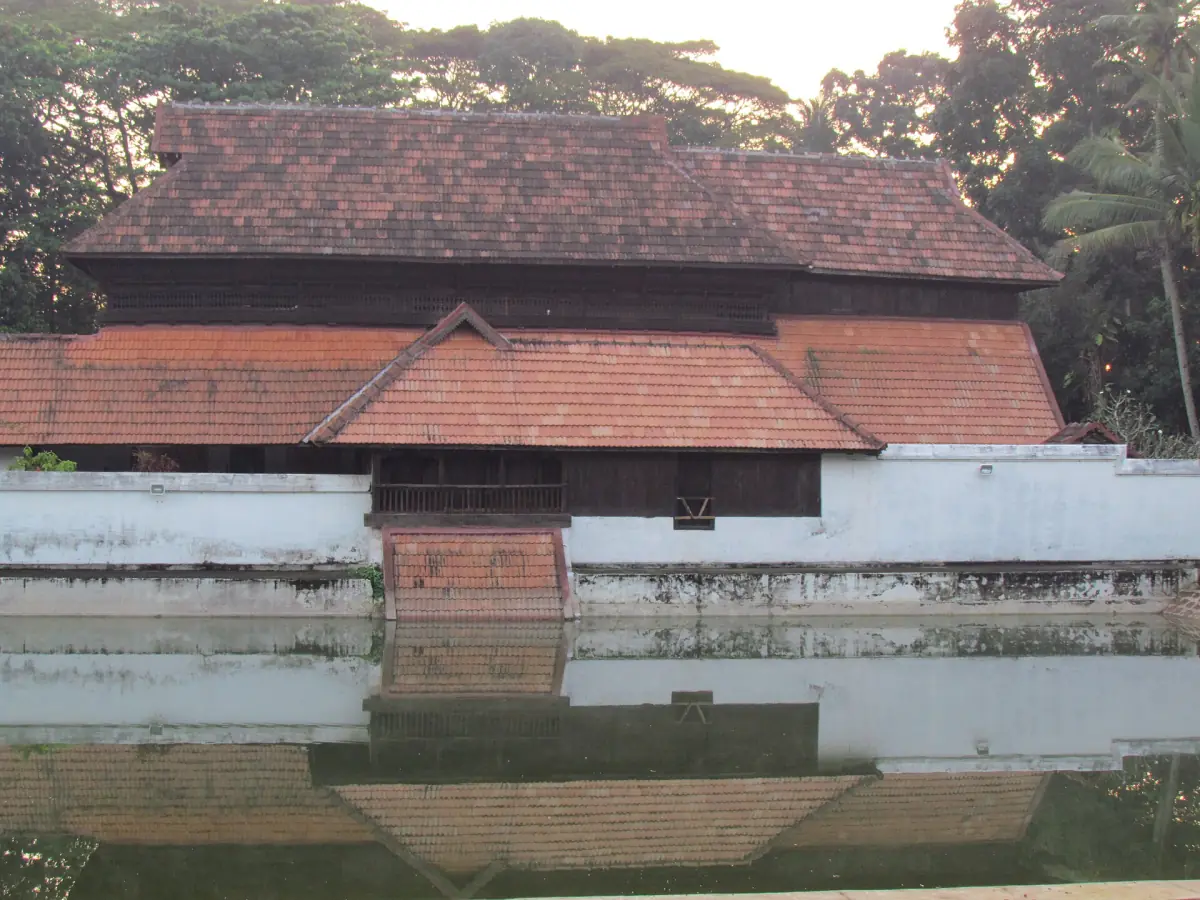
Krishnapuram Palace in Kayamkulam is a palace museum in the district, not in Alleppey town. It holds the Gajendra Moksham mural, sculptures, paintings and bronzes. It is open from 09:00 or 09:30 to 16:30 and closed on Mondays and national holidays, so check the opening time and the entry fee before you go.
Alleppey history: frequently asked questions
Why is Alleppey called the Venice of the East?
The name is linked to the town's canals. By tradition it goes back to Lord Curzon, who is said to have visited in the early 20th century.
When was Alleppey renamed Alappuzha?
By government order on 7 February 1990. Both names remain in use.
Who founded Alleppey?
The present town is linked with Diwan Raja Kesavadas in the second half of the 18th century. The start of the port is dated to 1772 or to the early 20th century.
What made Alleppey rich?
The coir trade and the port. The first coir mat factory, credited to James Darragh, dates from 1859. The port handled coconuts, coir products, pepper, coffee, tea and timber.
Can I walk on the old pier?
Treat the 387 m pier as a landmark to look at from the beach. It is dilapidated, and port operations there ended in 1989.